The national energy efficiency plan
To encourage a collective effort, the government introduced a national energy sobriety plan in 2022, outlining sector-specific measures and setting clear targets to reduce energy consumption across the board.
What is the National Energy Sobriety Plan?
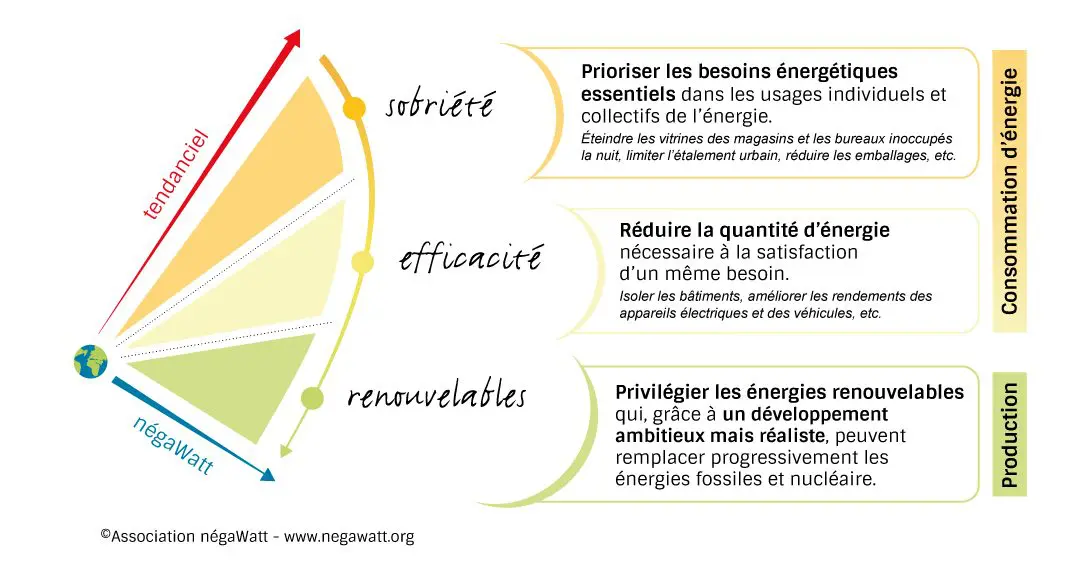
The national energy efficiency plan is intended to slow global warming, and aims to reduce energy consumption in France by at least 10% by 2024 (compared with 2019). This plan addresses the dual imperative of reducing reliance on fossil fuels, by increasing the share of electricity and renewable energy in the national energy mix, and combating climate change through a targeted 40% reduction in energy consumption.
The plan’s main thrusts
The government’s energy sobriety plan applies to all sectors.
- Public Sector: A 10% reduction target has been set for public authorities, to be achieved through measures such as lowering building temperature setpoints and improving overall energy management.
- Companies: Encouraging sobriety in industrial processes, promoting the adoption of energy management systems (eg. ISO 50 001).
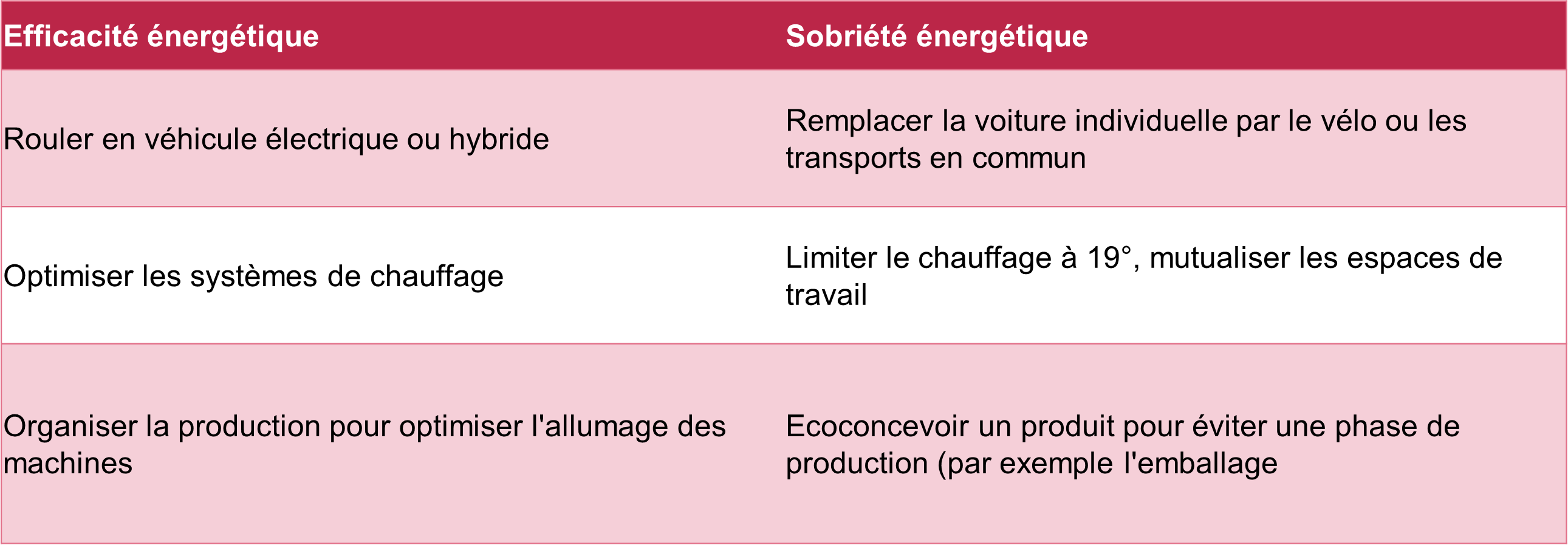
- Housing and habitat: Help with energy renovation, limiting the use of heating/air conditioning, and adopting eco-gestures.
- Mobility: Promoting public transport, carpooling, teleworking and reducing unnecessary journeys.
- Citizens: Raising awareness of simple energy-saving gestures (reducing heating to 19°C, switching off appliances on standby, etc.).
The government supports these initiatives through awareness campaigns, targeted funding programs like PACTE Industrie for businesses, and ongoing performance monitoring.
What you gain by adopting an energy-sober approach
More savings, lower bills
Lower consumption means lower bills! By reducing energy consumption, companies can significantly cut their operating costs. These direct savings translate into better cost control, making them more competitive.
Sustainable living for a better future
Improving energy efficiency conserves natural resources and significantly reduces greenhouse gas emissions. By embracing this approach, organizations contribute to the environmental transition while positioning themselves for a sustainable future.
Energy sobriety: a priority that can’t wait.
A solution to the climate emergency
In the face of the climate crisis, energy sobriety is not a choice, it’s a necessity. By curbing unnecessary consumption through behavioral changes, companies can play a pivotal role in combating global warming.
🌱 To find out more: Explore our sobriety solutions.
Relying on sobriety for a resilient future
Embracing this approach also enhances our resilience against volatile energy prices and potential supply shortages. In both the public and private sectors, organizations that choose energy sobriety gain greater adaptability in an increasingly uncertain energy landscape.
Energy sobriety is a smart strategy for companies aiming to reduce costs, minimize environmental impact, and enhance long-term resilience. By adopting this approach, they play an active part in building a more sustainable and responsible future.